On 24 April, Namibian businesswomen gathered at the Hilton Windhoek for a powerful and forward-looking Businesswomen Breakfast held under the theme “Future-Ready: Navigating Namibia’s Changing Business Landscape.”
The event brought together entrepreneurs, executives, and emerging leaders to explore how women can position themselves to thrive in a rapidly evolving global economy—particularly in light of the World Economic Forum’s 2025 Future of Jobs Report, which forecasts the creation of 170 million new roles by the end of the decade.
Opening the discussion, Desere Lundon-Muller highlighted a critical opportunity: while only a small percentage of the workforce is currently AI-skilled, those who are tend to earn more and progress faster in their careers. This underscores the growing importance of digital capability as a competitive advantage.
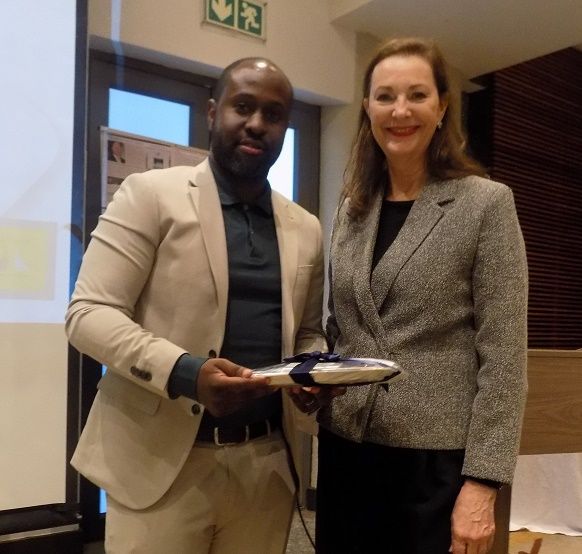
Guest speaker Arinze Okafor, Executive Investment Director at Mopane Asset Management and Founder of the Namibia Investment and Finance Academy, delivered practical and thought-provoking insights on navigating this shift.
A key message was clear: artificial intelligence is not a threat to jobs, but a tool for those willing to embrace it. Professionals who understand how to use AI effectively—particularly through precise prompting and application—will significantly enhance their productivity and value. For entrepreneurs, AI offers the ability to operate with the efficiency of a much larger team.
Okafor also unpacked several forces reshaping the business environment. Capital, he noted, is becoming increasingly selective, with investors placing greater emphasis on business structure, execution capability, and leadership credibility. At the same time, Namibia continues to face a skills gap, particularly in emerging sectors such as oil and gas, where practical, hands-on experience remains limited.
To remain competitive, he encouraged a shift towards structured thinking, decisiveness, and agility. Many professionals, he observed, struggle with “analysis paralysis”—overthinking decisions instead of focusing on achieving results through adaptable approaches.
Equally important is relationship intelligence. While AI can enhance efficiency, it cannot replace emotional intelligence, human connection, and the ability to build meaningful professional networks. These remain essential drivers of long-term success.
The session concluded with a compelling formula for future readiness: leveraging AI for speed, building relationships for access, strengthening skills for confidence, and above all, cultivating adaptability for sustained relevance.
The April breakfast once again reinforced the importance of equipping Namibian women with the tools, mindset, and networks needed to lead with confidence in a changing world.